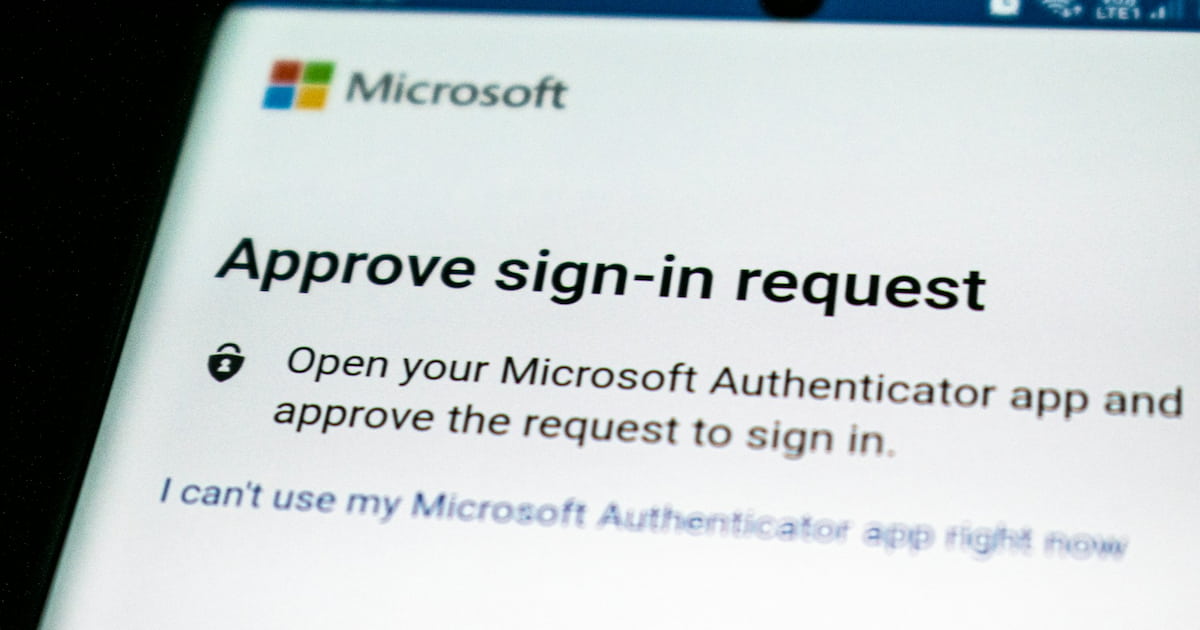
Cybersecurity for complex IT and OT environments
Senior specialists, strengthened by AI
Logistics and transport organisations depend on availability, speed and supply-chain reliability. Carriers, freight forwarders, ports, distribution centres and logistics service providers process large volumes of operational data and rely heavily on digital processes. One vulnerability in identity, planning systems, cloud, SaaS, APIs or network segmentation can directly affect deliveries, lead times and continuity. Cybersecurity in logistics and transport therefore requires an approach that accounts for supply-chain processes, OT and operational continuity.
Logistics environments use transport and warehouse management systems, planning software, track-and-trace, EDI integrations, terminal and sorting systems, mobile workstations and cloud platforms. These systems are often tightly connected. A vulnerability in one domain can affect planning, goods flows or invoicing. The attack surface grows through SaaS, cloud, identity federation, API integrations and data exchange with supply-chain partners. Legacy systems also often remain in use longer because operational applications depend on specific versions. This creates risk at the boundary between old and new technology, especially where administrative rights, integrations and network segmentation are not configured precisely.
DeepBlue helps logistics and transport organisations determine which risks are actually exploitable. Not only from a policy or compliance perspective, but from an attacker’s perspective. We examine how an attacker gains access, which privileges can be expanded, which systems can be reached and what impact is possible on supply-chain processes. AI and tooling support analysis, correlation and efficiency. The core remains technical expertise, attacker insight and demonstrable impact. Penetration tests make these risks concrete by validating attack paths in a controlled way and translating them into technical assurance, remediation priority and executive-grade insight.
DeepBlue is CCV Pentest certified
Penetration testing in logistics and transport must prove more than technical vulnerabilities. The key question is which vulnerabilities are actually exploitable and what impact they can have on goods flows, supply-chain collaboration and continuity. DeepBlue therefore tests from realistic attack paths. We examine identity environments, planning and WMS integrations, EDI and API integrations, cloud platforms, network segmentation, terminal and OT systems, external infrastructure and reachability of critical systems. We assess not only access, but also privilege escalation, lateral movement, data access, logging, detection and recovery options.
Our penetration tests are manual, deep and controlled. Senior specialists with experience in complex IT and OT environments execute the work. Tooling and AI support the analysis, but do not determine the outcome. The focus is on demonstrable impact, clear risk assessment and concrete remediation priority. Findings are mapped with CVSS, so technical teams can remediate precisely and executives understand where the greatest risk sits. DeepBlue is CCV Pentest certified and delivers independent, reliable and practical penetration test reports for logistics and transport organisations that need technical assurance over digital resilience.

Ransomware is one of the most critical threats to logistics and transport organisations. Attackers gain administrative privileges, sabotage backups, evade detection and encrypt systems. Outages in planning, WMS, track-and-trace or terminal systems directly halt goods flows, trigger emergency procedures and cause high financial damage.
Identity is a primary attack surface in logistics and transport. Attackers abuse weak MFA, shared accounts, excessive privileges, service accounts and insufficiently controlled external access. With many drivers, temporary workers and supply-chain partners, one account can provide access to multiple critical systems.
Web applications, customer portals, planning systems and track-and-trace process operational data and often integrate with underlying supply-chain and transaction systems. Vulnerabilities such as broken access control, IDOR, weak session security and insufficient input validation can give unauthorised access to shipment data or internal functions.
Goods flows rely on EDI, API integrations and data exchange with shippers, customs and supply-chain partners. Attackers look for weak authentication, manipulable messages, missing validation and excessive authorisations between systems. The main risk sits in the connection between internal systems and external chains.
Logistics and transport organisations increasingly use cloud and SaaS for collaboration, data processing, planning and supply-chain exchange. Risks arise from misconfigured tenants, public storage, excessive privileges, weak logging and insecure integrations. One cloud error can expose operational data at scale.
Logistics and transport organisations depend heavily on software suppliers, technology partners, managed service providers and supply-chain partners. Attackers abuse these trust relationships: remote administration, VPN access, shared accounts, weak monitoring and overly broad access to management portals.
In logistics environments, the greatest risk often lies in the connection between systems. A vulnerable customer portal can provide access to an internal API. An unnecessarily reachable management system can enable lateral movement. A service account with excessive privileges can provide access to planning and transaction data. DeepBlue therefore looks not only at individual vulnerabilities, but at the path an attacker can follow from initial access to privilege escalation, data access, process disruption and potential impact on critical supply-chain systems.
These attack paths show where technical measures are immediately required and where structural improvement is necessary. Examples include stronger segmentation between office automation and operational systems, tighter privileges on identity and service accounts, hardening of external access and EDI integrations, restriction of management interfaces and improved logging and detection. DeepBlue translates findings into technical detail, remediation priorities and practical measures. This creates one clear view for executives, security, IT operations and those responsible for continuity.

Bewustwording en vaardigheden bepalen hoe goed medewerkers dreigingen herkennen en erop reageren. DeepBlue verzorgt phishing-simulaties, awareness-trainingen en technische oefeningen voor SOC- en IT-teams. De inhoud sluit aan op uw processen, rollen en realistische aanvalsscenario’s.

Red Teaming is relevant voor organisaties die hun detectie, respons en weerbaarheid tegen realistische aanvalspaden willen testen. De focus ligt op doelgerichte scenario’s, zoals toegang tot gevoelige data, laterale beweging naar bedrijfskritische systemen of omzeiling van detectie.

Een Managed SOC ondersteunt organisaties bij continue detectie, triage en opvolging. De waarde zit in use cases die aansluiten op echte aanvalspaden, zoals identity abuse, verdachte toegang tot gevoelige data, laterale beweging en afwijkend gedrag in cloudomgevingen.

Bij incidenten is snelheid cruciaal. DeepBlue onderzoekt hoe een aanvaller toegang kreeg, welke systemen zijn geraakt, welke data mogelijk is benaderd en welke maatregelen nodig zijn om uw bedrijfsvoering veilig te herstellen.

CISO as a Service helpt organisaties bij securitystrategie, risicosturing, leveranciersbeheersing, incidentvoorbereiding en technische prioritering. De focus ligt op uitvoerbare maatregelen die passen bij uw processen en beschikbare capaciteit.

Fysieke toegang kan digitale impact hebben. Denk aan werkplekken, balies, netwerkpoorten, kantoren, serverruimtes en leverancierszones. Een fysieke weerbaarheidstest toont waar fysieke beveiliging, menselijk gedrag en cyberrisico elkaar raken.












Discuss a security requirement, active risk or complex IT or OT environment with one of our senior specialists. The initial conversation focuses on the technical context, operational constraints and the most appropriate course of action.
Urgent assistance required?
Call +31 (0) 70 290 6 290
or email info@deepbluesecurity.nl
Technical analysis, field observations and sector-specific perspectives across IT, OT and cyber resilience.